Building Dean's Libaas: A Shopify Dev Store for Islamic Clothing
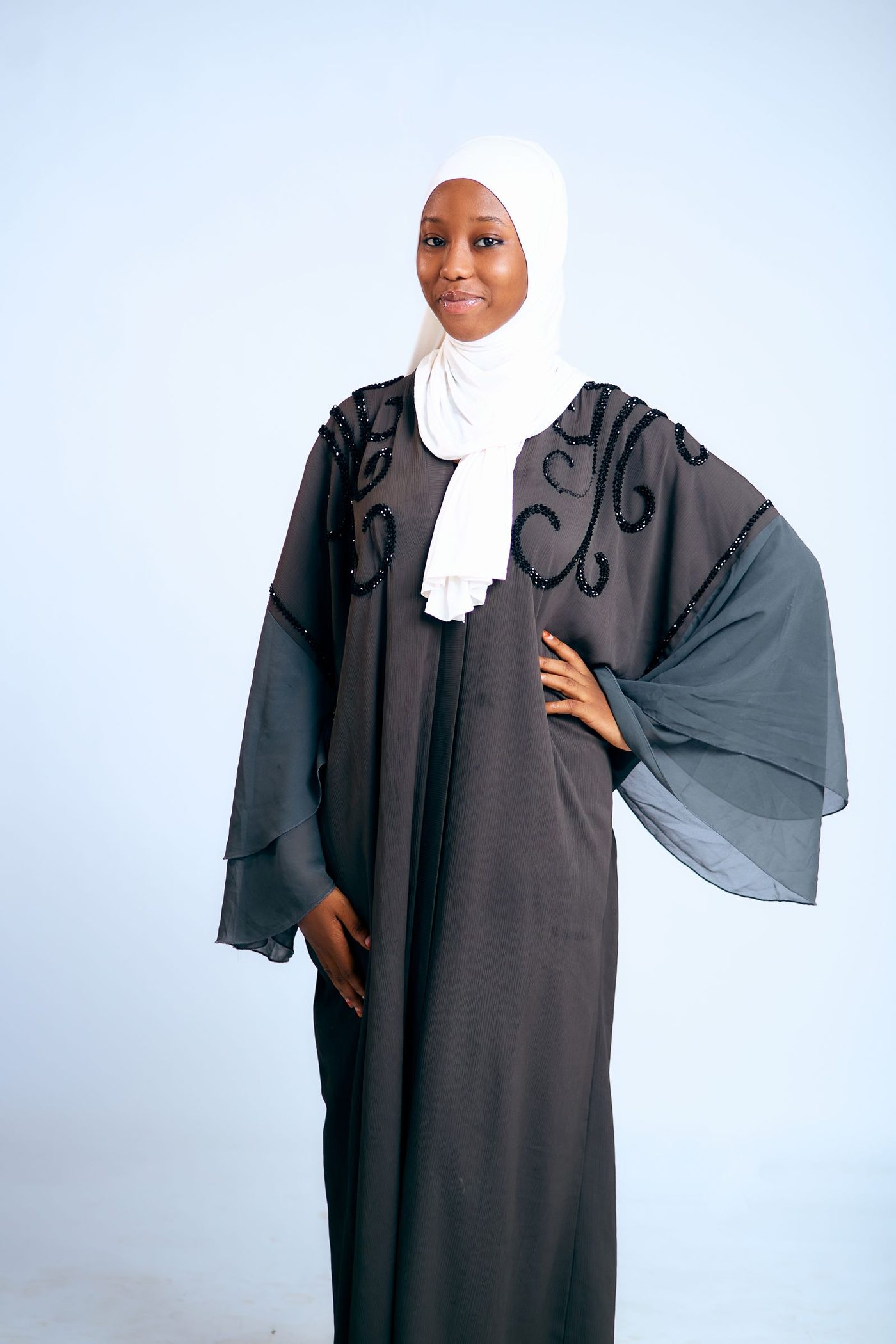
Off the back of starting the e-commerce admin role at an Islamic clothing retailer, I’ve been building my own Shopify development store to practice on, away from a live store with real orders and real customers to worry about. It’s called Dean’s Libaas, and it’s set up as a modest/Islamic clothing store, luxury pret pieces, kaftans, sarees, and more, so the work stays close to what I’m actually learning day to day.
Why a Dev Store, and Why This Theme
Shopify gives partners and developers free development stores to build and test on, so there’s no reason to practice on someone else’s live storefront when I can break things safely on my own. I picked an Islamic clothing concept on purpose rather than a random demo shop, since it means every product, collection, and admin task actually mirrors the retailer I work for. “Libaas” itself just means clothing or garment, which felt like the right plain, honest name for it.
Setting Up the Catalogue
So far I’ve been building out a small but varied catalogue to practice with:
- Mehaar Purple - sized XS through XL, with pricing that steps up by size
- Luxe Arielle Saree - a flat-priced piece across all sizes
- Maira Kaftan Pink - a kaftan with a full size run
- Faryal X - another full-priced, full size-run piece
- Daisy Co Ord - a single-variant set
They’re organised into collections too - a Home page collection, a “Royale” collection tied to the storefront theme, and a Luxury collection pulling together the higher-end pieces. Working through variants, pricing tiers, and collection structure from scratch has taught me more about how a catalogue actually gets organised than just editing existing listings ever did.
Getting to Grips with the Newer Admin
Part of the point of this dev store was to spend proper time in the newer version of the Shopify admin that’s rolled out this year, rather than just picking up what I need on shift. Having a store that’s entirely mine to click around in, with nothing live depending on it, has made it a lot easier to actually explore settings and workflows rather than rushing through them.
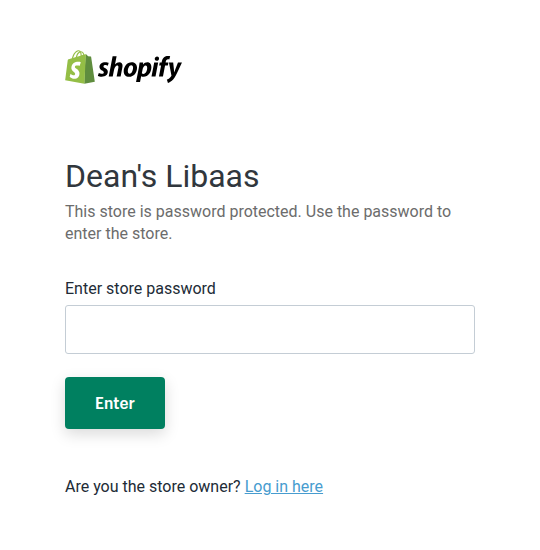
The store is still very much a work in progress, it’s currently sat behind Shopify’s standard password screen while I build it out, which is exactly where a development store should be at this stage:
Why This Fits My Wider Goals
This ties directly into the “and more” part of my Shopify, E-Commerce & More post from a few weeks back. Having my own store to experiment on means I can try things I wouldn’t risk on a live shop, theme tweaks, collection restructuring, bulk product edits, and bring the parts that work back into how I approach the admin side of my actual role.
What’s Next
Next up is adding real product photography, filling in descriptions and metafields properly, and starting to customise the “Royale” theme so the storefront looks less like a placeholder. I’m also planning to use it to practice discounts, basic reporting, and order workflows once there’s a fuller catalogue in place.
Conclusion
Dean’s Libaas is a small project, but it’s already taught me more about Shopify’s admin and catalogue structure than I expected from just clicking around a dev store. I’ll keep building it out and posting updates here as the “and more” continues to take shape.